For years, no-till farming (the practice of reducing tillage and ploughing to protect soil fertility) has been promoted as a climate-friendly, soil-saving solution. It is marketed as a pillar of “regenerative agriculture” by the agrochemical industry and supported by major food companies. But a new report from Friends of the Earth US reveals that most conventional no-till farming falls far short of the goals of regenerative agriculture.
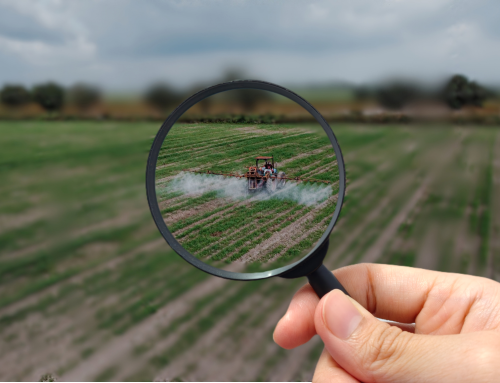
According to their first-of-its-kind analysis of U.S. Department of Agriculture (USDA) data, no-till and minimum-till corn and soy production accounts for nearly one-third of all pesticide use in the U.S. This means that 285 million pounds (almost 13,000 metric tonnes) out of the total 851 million pounds of toxic pesticides (herbicides, insecticides and fungicides) applied across the United States is attributed to the herbicides used in no-till and minimum-till corn and soy production alone.
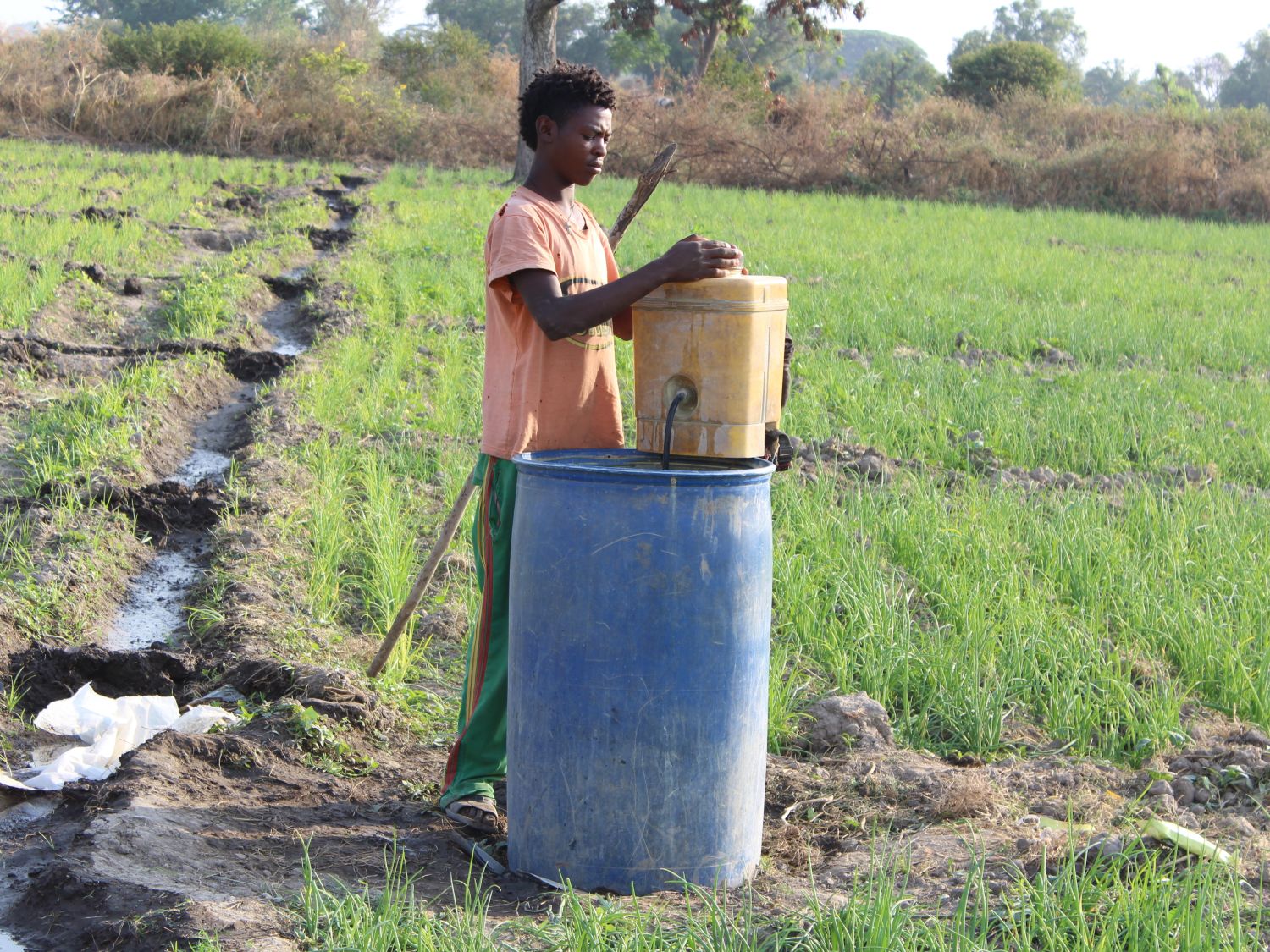
 Credit Belinda Pretorius/ Shutterstock.com
The problem isn’t the farmers, but the system. No-till farming has gained popularity for reducing soil erosion, but many of the synthetic herbicides used are highly hazardous to human and environmental health. Glyphosate alone, the active ingredient in Roundup which has been linked repeatedly to cancer and other chronic diseases as well as to environmental harms, makes up 40% of herbicide use in these systems.
What’s worse, this chemical-heavy approach is damaging the very soil it claims to protect. It threatens critical soil organisms, disrupts microbial activity, undermines soil carbon sequestration and alters soil ecosystems, reducing resilience to drought and floods. Despite claims to the contrary, there is little evidence that no-till increases soil carbon, and in some cases, it may even reduce it.
Interest in regenerative agriculture has exploded in the last decade and farmers are clearly very willing to adapt and conserve soils. However, this model of no-till is being propped up by the same pesticide companies that helped design no-till systems in the 1970s as a way to sell more herbicides. Today, corporations that manufacture chemicals like Bayer continue to promote pesticide-dependent no-till under the “regenerative” label.
Truly regenerative agriculture means reducing toxic inputs, supporting biodiversity and working with natural systems—such as those found in organic farming. Unlike the vague and unregulated use of the term ‘regenerative,’ organic farming is backed by legally enforced standards.
One of the core principles of regenerative farming is to not disturb soil. This is often viewed narrowly as simply reducing or eliminating tillage, instead of relying on herbicides to remove weeds. However, one large UK retailer told us that, under their own definition of regenerative farming, they count chemicals as ‘soil disturbance’. As a result, they would not classify any crop using large amounts of herbicides as ‘regenerative’. We urgently need this approach to be incorporated into all regenerative farming.
In the meantime, PAN UK continues to champion genuinely regenerative systems – ones that prioritise soil health, eliminate harmful chemicals and put farmers and ecosystems first.