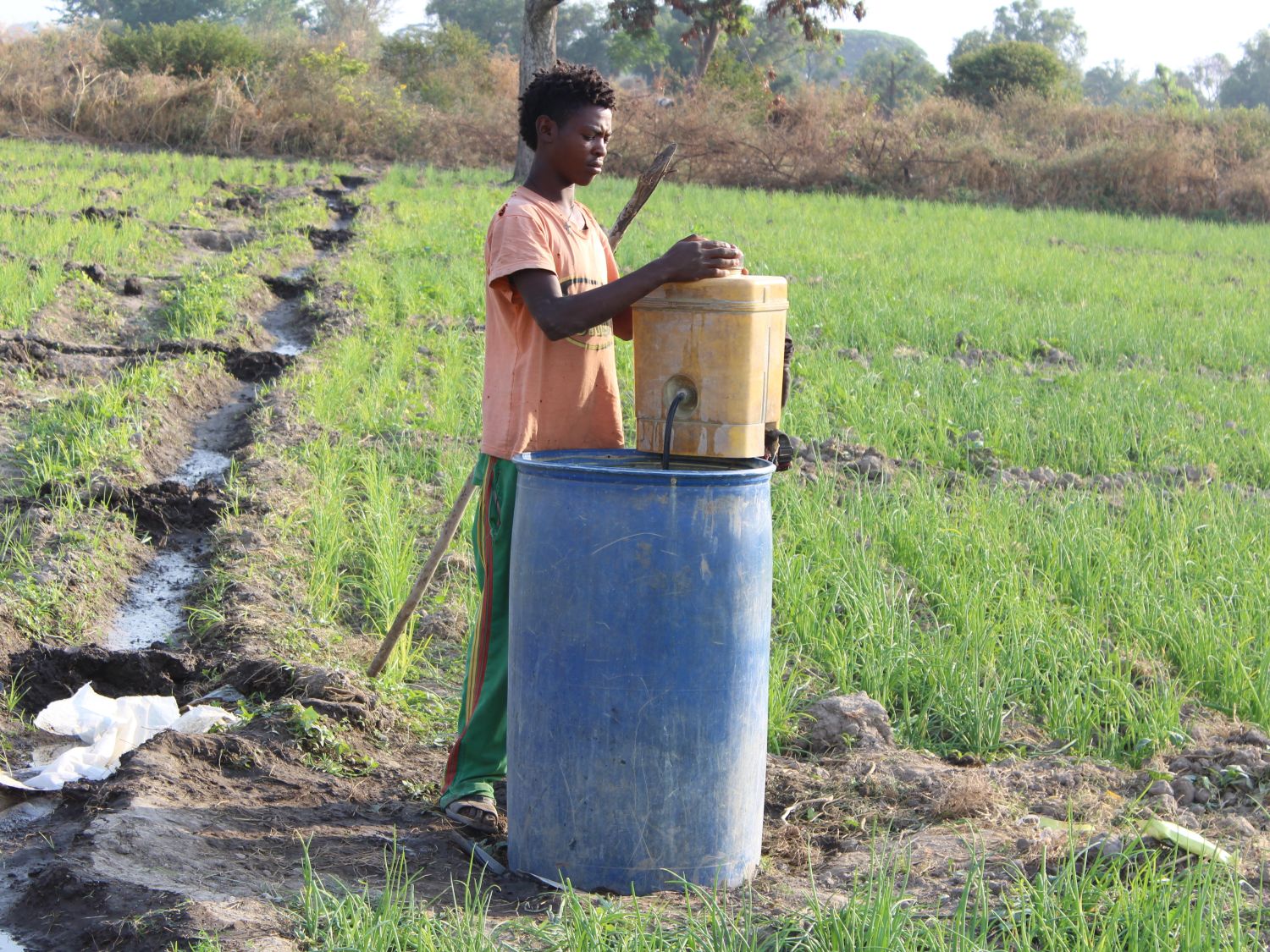
A new report published by UNICEF earlier this week finds that the rapid global expansion of pesticide use—more than doubling between 1990 and 2022—has far outpaced protections for children.
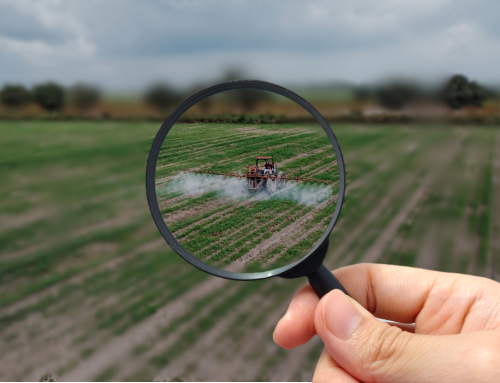
Children are exposed to pesticides through food and water, use in homes, gardens, schools and public spaces. They also face exposure through environmental contamination from spray drift, improper pesticides management, and pesticide residues on clothing. The continued use of Highly Hazardous Pesticides (HHPs), which present particularly severe acute or chronic hazards, intensifies these risks.
Exposure during pregnancy and in childhood can lead to life-long health problems. Pesticides harm immune systems, impair lung function and worsen asthma. Exposure can also affect reproductive health and cause organ damage and childhood cancers, including leukaemia.
A growing number of studies demonstrate effects of pesticides on birth outcomes and an increased risk of congenital abnormalities. Antenatal exposure to pesticides are associated with oral clefts, cardiovascular abnormalities, and neural tube defects. Some studies have shown that pesticide exposure is associated with risk of decreased birthweight.
An area of high clinical concern is the relationship between chronic low-level pesticide exposure and autism spectrum disorder (ASD) and ADHD.
Genotoxicity refers to a substance’s ability to damage genetic material, which can lead to hereditary defects. Mounting evidence shows that children and adolescents living in agricultural areas or working in agriculture are at risk for genotoxic damage.
There are over 1,000 synthetic chemicals, including certain pesticides, which are known or potential endocrine-disrupting chemicals (EDCs); this is an enormous number and may be an underestimate. Human epidemiological studies suggest that EDCs in children affect antenatal growth, thyroid function, glucose metabolism, obesity, puberty and fertility.
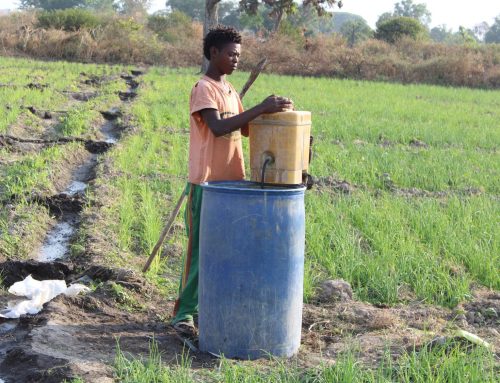
The report highlights that the true scale of harm remains underestimated for children globally, with pesticide poisonings and deaths significantly under‑reported in global data systems and risks amplified for the 83.4 million children engaged in agricultural work.
It calls for urgent, coordinated regulatory, agricultural, health-system and societal action, including:
- Strengthen standards and risk assessment to account for child-specific vulnerabilities.
- Phase out Highly Hazardous Pesticides, reduce environmental toxicity related to pesticide use and encourage alignment with international instruments such as the 2023 Global Framework on Chemicals.
- Eliminate child labour in agriculture and protect all children from pesticide risks.
- Reduce pesticide risk through promotion of agroecological practices, implementation of integrated pest and vector management, limitation of non-essential applications and development of sustainable alternatives.
- Reduce impacts through monitoring, establishing buffer zones around where children live, learn and play, improving drift management, food safety and occupational safeguards.
- Expand education on pesticides risks, including storage and handling, take-home prevention and dietary exposures.
- Strengthen health systems by establishing poison centres, training health workers and surveillance.
Read the full report ‘Underestimated and Overlooked: The silent impact of pesticides on children‘ here.
You may also be interested in: