The current approach to the emergency authorisation of pesticides in the UK is not fit for purpose. Our research has found that the system – which is supposed to be in place for genuine emergencies only – is weak and being misused.
Special permissions to use pesticides that are either banned or usually restricted for use on specific crops, can be granted by ministers in the four UK administrations (Defra in England, RESAS in Scotland, NRW in Wales, and DAERA in Northern Ireland).
However, inadequate guardrails are in place to ensure that the emergency authorisation system works as intended and is not abused.

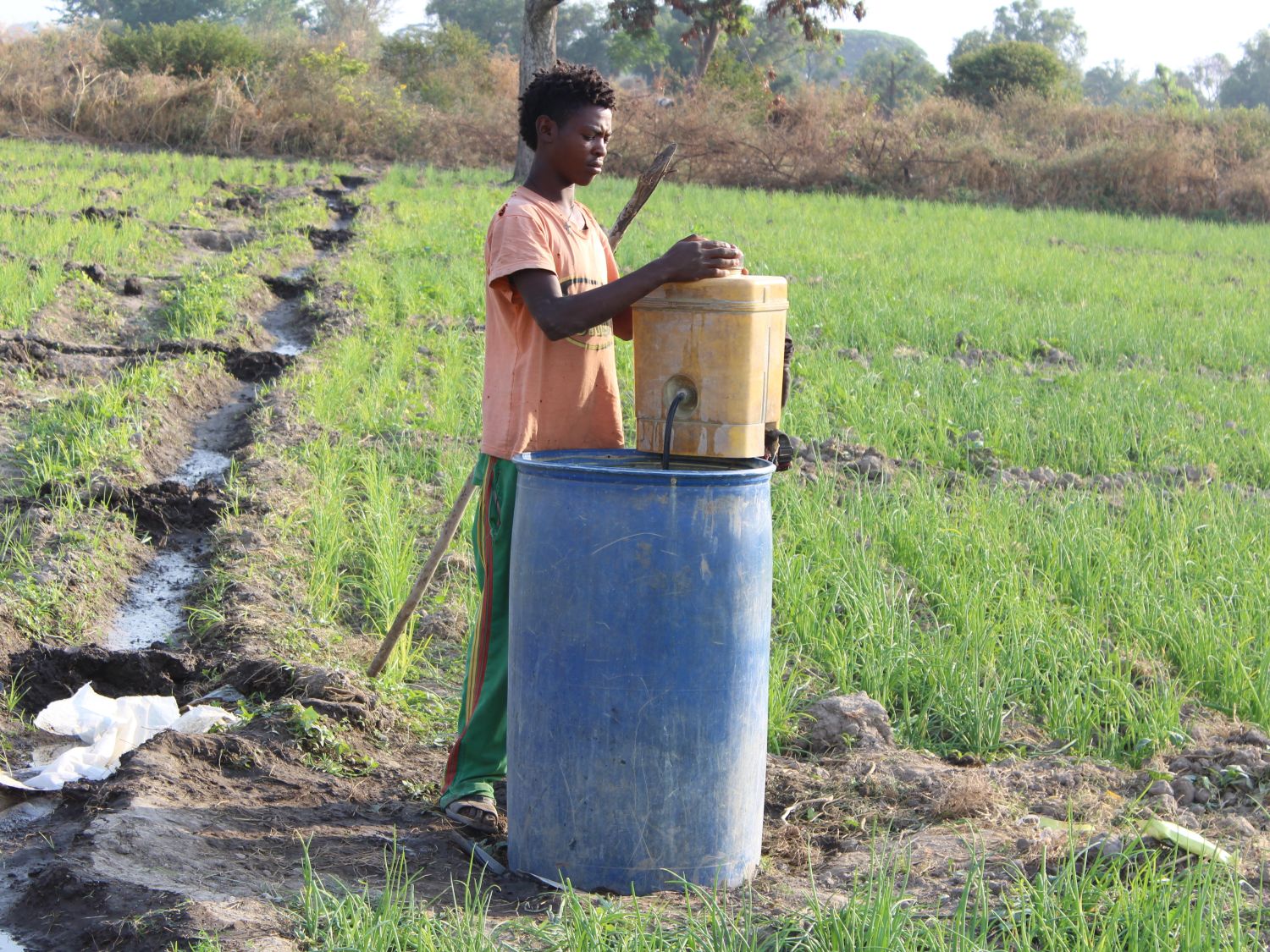
Image Credit Juice Flair Shutterstock
Our research has shown worrying findings
We examined the permissions granted by the four UK administrations since 2014, and found that:
- Emergency authorisations are increasingly being used as a routine, seasonal tool by industry, rather than a true “one-off emergency”.
- Whilst environmental and health risk assessments are still carried out by the Health and Safety Executive (HSE), political decisions can override their precautionary advice. This has been shown in past decisions on bee-killing neonicotinoid applications for sugar beet.
- The four nations of the UK often make different decisions because they have different interpretations of risk, especially regarding biodiversity and water protections. This means that a substance still banned in one part of the UK can be used in another.
Impacts of this outdated approach
This outdated approach is problematic for a number of reasons, not least due to the public health and environmental concerns it carries. Repeated annual authorisations are getting round the normal approval process supposed to prevent chemicals with known risks being regularly used.
Repeated authorisations year-after-year suggests that the requests are not genuine emergencies but represent system-wide dependency. The granting of derogations on an ongoing basis is likely to deter innovation, stifle commercial pressure to develop safer, more sustainable control methods and lock farming into outdated chemical dependencies.
The system needs an overhaul
In July 2026, the Office for Environmental Protection (OEP) published the results of their investigation into possible serious failures by Defra in relation to emergency authorisations being granted for the use of one particular pesticide (Cruiser SB). They found failures to comply with environmental law in a number of areas, highlighting the need for a system-wide overhaul. This included failure to carry out appropriate assessment of the implications for certain protected sites, and to take steps to understand and mitigate known risks of harm to those sites.
As a result, Defra has said it will update the assessment process for granting emergency authorisations, and this is due to be in place by November 2026. However, we are yet to see any signs of this.
What we are calling for
Whilst it is heartening that the UK government committed to ban repeat emergency authorisations on three neonicotinoid pesticides nearly two years ago, it is clear the approach to emergency authorisations needs a complete overhaul.
As a priority, we want to see an updated government assessment process that:
- Puts a stop to indefinitely granted emergency authorisations, with a maximum three-year limit in place for all derogation requests.
- Ends divergence between UK nations – always taking the stance of the strictest.
- Makes data on emergency authorisations more readily available. The public has a right to know far more than they currently do about the use of pesticides throughout the UK, particularly on banned pesticides that are still in use.
For a more in-depth summary of this issue, you can download our derogations briefing here.