A landmark report published today by the United Nations Environment Programme and the World Health Organisation is the first major global update on endocrine-disrupting chemicals (EDCs) since 2012. It finds that more than a decade of research has strengthened and broadened the evidence linking these chemicals to human health and environmental harms, and yet regulation continues to lag behind.
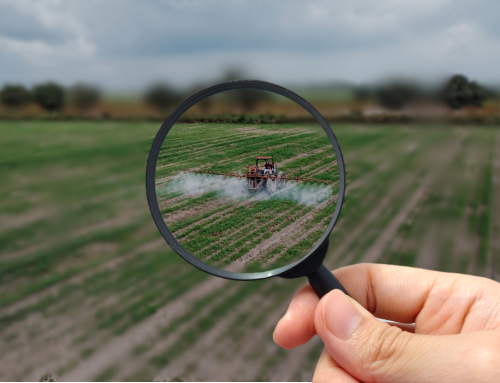
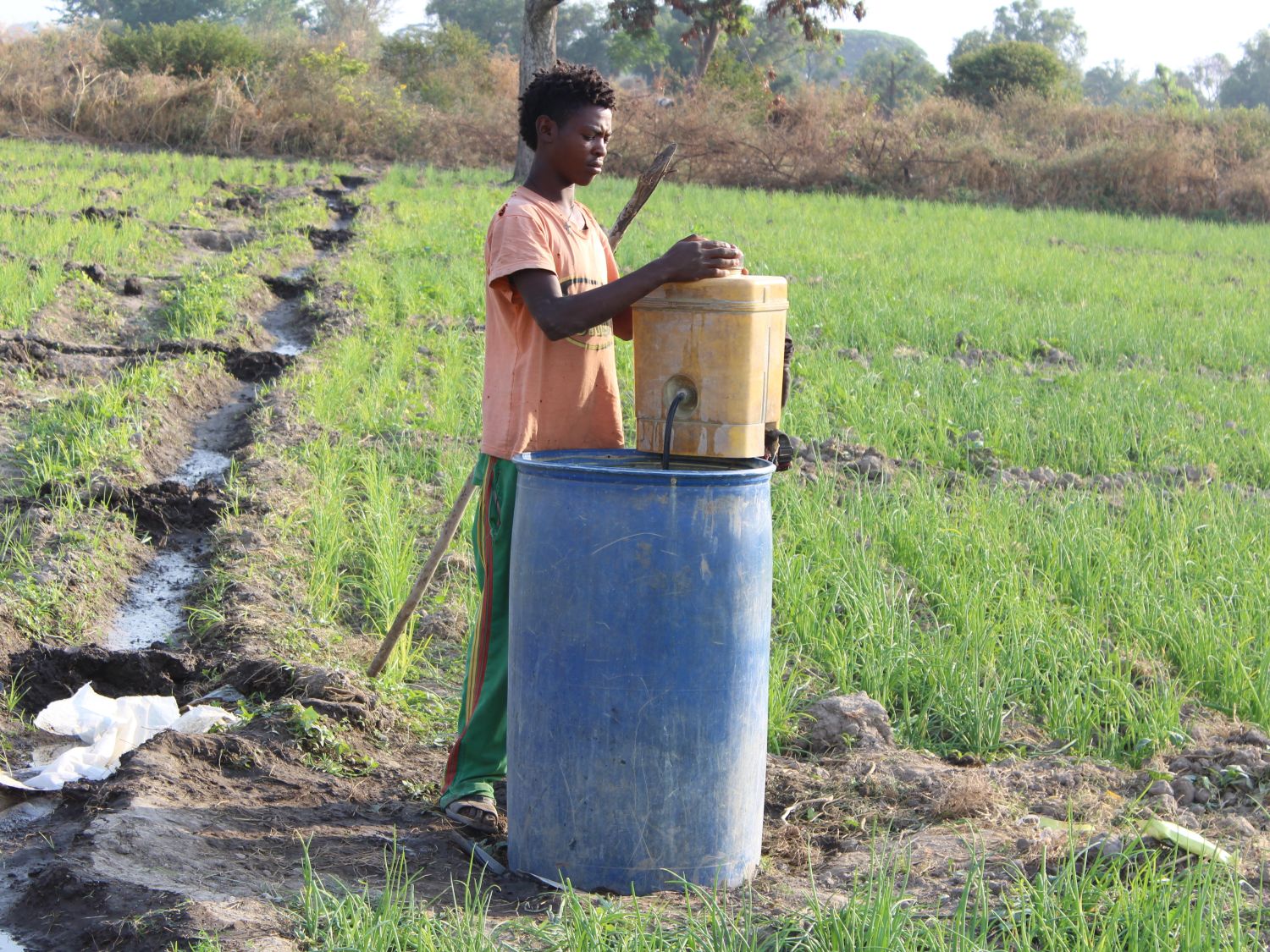
Major uses of chemicals with endocrine-disrupting properties include plastics and personal care products, but also pesticides. Examples of pesticides include atrazine, chlorpyrifos, 2,4-D, malathion and paraquat, but there are many more.

These chemicals, which can interfere with the body’s hormones, are ubiquitous and have been detected in blood, breast milk, and cord blood. Early exposure, sometimes before babies are born, can cause hormone disruption that can have lasting effects on brain development, growth, and reproductive health.
The strength of evidence linking EDC exposure with effects on fertility and reproductive development, brain development and neurological function, thyroid and other hormone regulation, metabolism, immunity, and cardiovascular health has increased. Plus, newer areas of concern include metabolic liver disease and possible effects on the kidneys, although scientific gaps remain.
The effects extend well beyond human health. Across fish, birds, amphibians, and mammals, EDC exposure has been linked to impaired reproduction, development, and behaviour.
EDCs are now present in virtually every environmental matrix, including soil, water, air, food and dust.
An increasing number of chemicals have been identified as EDCs as testing programmes have advanced, yet most chemicals registered globally for production and use have not been evaluated for endocrine-disrupting properties and major knowledge gaps persist. Regulations lag due to industry’s use of disinformation campaigns, questionable lobbying tactics, and manipulation of science. While industry profits, the estimated health, environmental and economic burden of EDCs is large and likely underestimated, with global health-related costs alone estimated to exceed US$ 1.1 trillion annually.
The report has been launched this week at the first international conference of the Global Framework on Chemicals in Geneva and is yet another urgent reminder for governments to make good on their commitment to phase out Highly Hazardous Pesticides (HHPs), many of which may and do contain endocrine-disrupting chemicals.
Read the full report State of the Science of Endocrine-Disrupting Chemicals 2026.