A new report reveals the widespread use of Highly Hazardous Pesticides (HHPs) in coffee-producing countries. These include chemicals linked to cancer, neurotoxicity, reproductive harm, endocrine disruption, and catastrophic biodiversity loss.
Poison in Your Coffee brings together scientific literature, government data and field research across Brazil, Vietnam, Kenya, Colombia, and other major producing regions. It reveals that coffee, one of the world’s most valuable commodities, exposes consumers to highly toxic pesticides that are banned in many countries.
Key findings:
- 159 pesticide active ingredients are used in coffee production across major producing countries
- 60% are classified as Highly Hazardous Pesticides (HHPs)
- 59% are banned in the European Union
- 14 ingredients are WHO Class 1A/1B (extremely or highly hazardous); 22 are carcinogenic or probably carcinogenic; 40 are reproductive toxicants or endocrine disruptors; 29 are neurotoxic
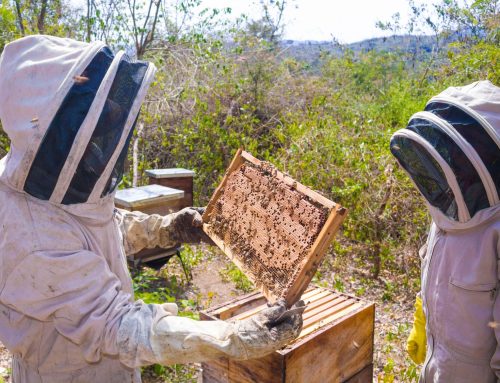
- 46 active ingredients are very toxic to bees; 48 are very toxic to fish, contaminating rivers and watersheds; 18 are toxic to beneficial insects essential for natural pest control; 11 are toxic to earthworms, undermining soil health
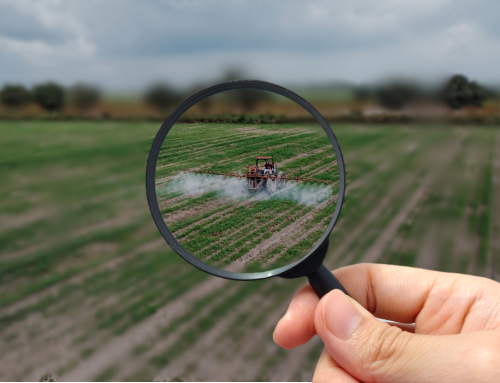
The volume of pesticides used is stark. Brazil used 19.8 million litres of pesticides on coffee in 2015—which is more per hectare than sprayed on maize or soy. Vietnam has seen pesticide use increase three- to five-fold in 25 years. In Kenya, coffee accounts for 27% of the national pesticide use despite coffee occupying less than 1% of the land.
The double standard: banned at home, exported abroad
Pesticides banned in the EU continue to be exported to coffee-producing countries where regulation and legal oversight is weaker. Coffee grown using these chemicals is then legally imported back into consuming countries.
“We have here a textbook example of environmental injustice,” said Silke Bollmohr of Inkota-network and lead author of the report. “Behind almost every cup of coffee is a farmworker who had no choice but to handle chemicals that wealthy countries decided are too dangerous for their own fields. Workers are dying and getting sick. This is a human rights issue, and let’s not forget that coffee consumers end up drinking poison residues. This is sick.”
Farmers pay the price
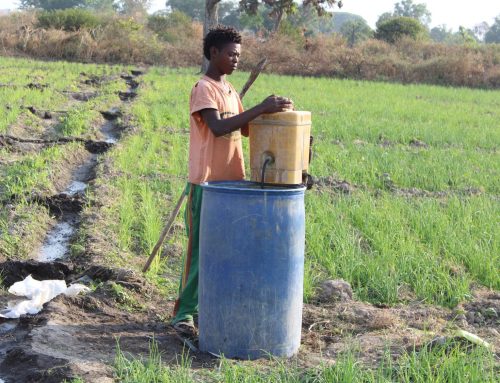
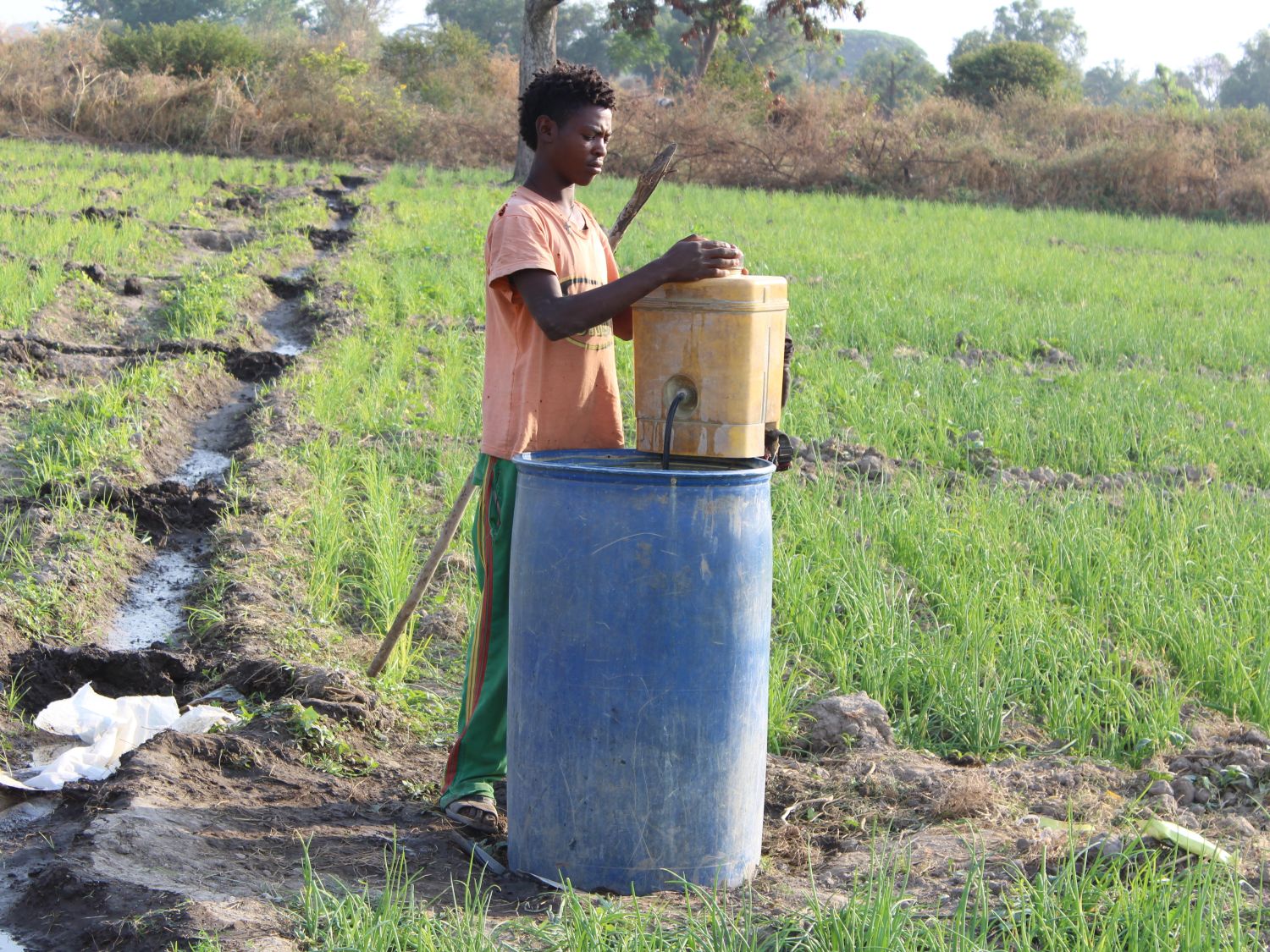
Farmworkers and rural communities bear the heaviest burden. Through the mixing and spraying of pesticides, drinking contaminated water, and exposure to pesticide drift they face repeated, often daily exposure to some of the most hazardous chemicals in agricultural use. Documented consequences include acute poisoning, respiratory distress, neurological symptoms, reproductive harm and increased cancer risk. Children and pregnant women are especially vulnerable.

Environmental collapse: soil, water and biodiversity under threat
Pesticide-intensive coffee farming contaminates rivers and groundwater, degrades soil health, and drives biodiversity loss. Pollinators, beneficial insects and earthworms that are critical for ecosystem balance are among the most affected. Healthy soils and pollinators are not a side issue — they are the biological foundation that makes high coffee yields possible in the first place. By saturating fields with chemicals toxic to bees and soil organisms, the coffee industry is ultimately destroying its future productivity.
“The coffee industry is biting the hand that feeds it, which in this case is pollinators,” warned Sheila Willis of PAN UK, “We are in a mass extinction crisis and yet pesticides in coffee keep contributing to killing countless vital species.”
Solutions exist—but require systemic change
The report outlines a comprehensive set of proven solutions, but states that tinkering at the edges will not be enough. Replacing one chemical with a slightly less toxic alternative will not break the cycle.
“Real transformation is needed to secure future yields, which rely on productive soils, clean water resources, and pollinators,” said Svane Bender of Deutsche Umwelthilfe. “Sustainable coffee farms around the world are proving that agroecology works, with shade tree systems and biological control instead of pesticides. Sustainable farms can both produce the coffee we love and protect the planet.” But farmers cannot make this shift alone: they need financial support, technical assistance, and market incentives. “We need immediate action from companies and governments,” Bender added. “Coffee can either continue to poison us, , or it can contribute to a safe and healthy future. Solutions exist. Let’s wake up and solve the crisis before it is too late.”