PAN UK joins national call for ‘Clean Water Now’

2026-02-26T09:27:51+00:00February 26th, 2026|

As Parliament prepares to debate the Water Reform Bill, PAN UK joins over 40 organisations - representing more than 9 million supporters collectively – calling on the UK Government to deliver urgent changes.   Just 14% of English rivers are in Good Ecological Condition. Most water-dependent habitats in England’s protected [...]

Agroecological farming reduces pesticide poisoning among Ethiopian farmers by 73%

2025-12-15T16:39:57+00:00December 15th, 2025|

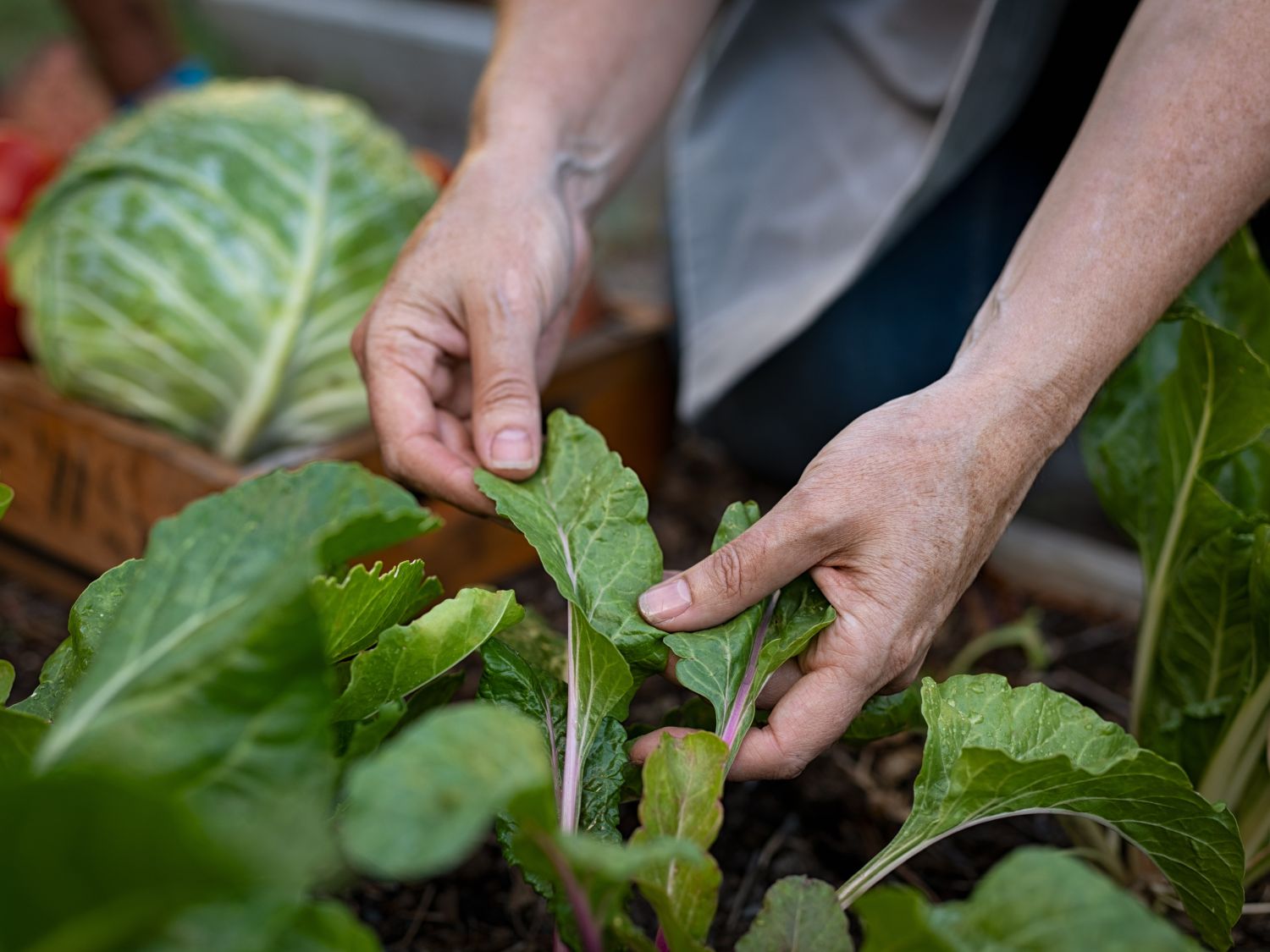
A new study published in Frontiers in Agronomy, has found that training farmers in agroecological practices helps to protect them from the harmful impacts of Highly Hazardous Pesticides (HHPs). It also increases their income. Over 700 vegetable farmers in Ethiopia’s Lake Ziway region took part in a programme to promote agroecology [...]

Unmasking Influence

2025-12-11T15:11:36+00:00December 11th, 2025|

Powerful commercial actors and the actions they take, affect us all, every day of our lives – many are undermining our health, our choices as individuals and the sustainability of the planet. They shape what we see, eat, and do. There is overwhelming evidence that the actions of many commercial [...]

Pesticides grab attention at UN climate talks in Brazil

2025-11-18T15:35:57+00:00November 18th, 2025|

An inflatable pesticides container the size of a 5-story apartment block calls for the phase out of Highly Hazardous Pesticides (HHPs) outside the venue of the COP30 climate negotiations in Belem, Brazil. It aims to highlight their role in heating the planet and poisoning the future. [...]

Butterfly count reveals worrying results

2025-09-09T15:48:41+01:00September 9th, 2025|

The results of Butterfly Conservation’s Big Butterfly Count are in. The sunniest spring and hottest summer ever recorded in the UK provided good weather conditions for butterflies after 2024’s record-breaking lows. However, the results from the Big Butterfly Count show that it was definitely not a bumper summer for our beleaguered [...]

Pesticides found to reduce fish social behaviour

2025-07-22T12:22:24+01:00July 21st, 2025|

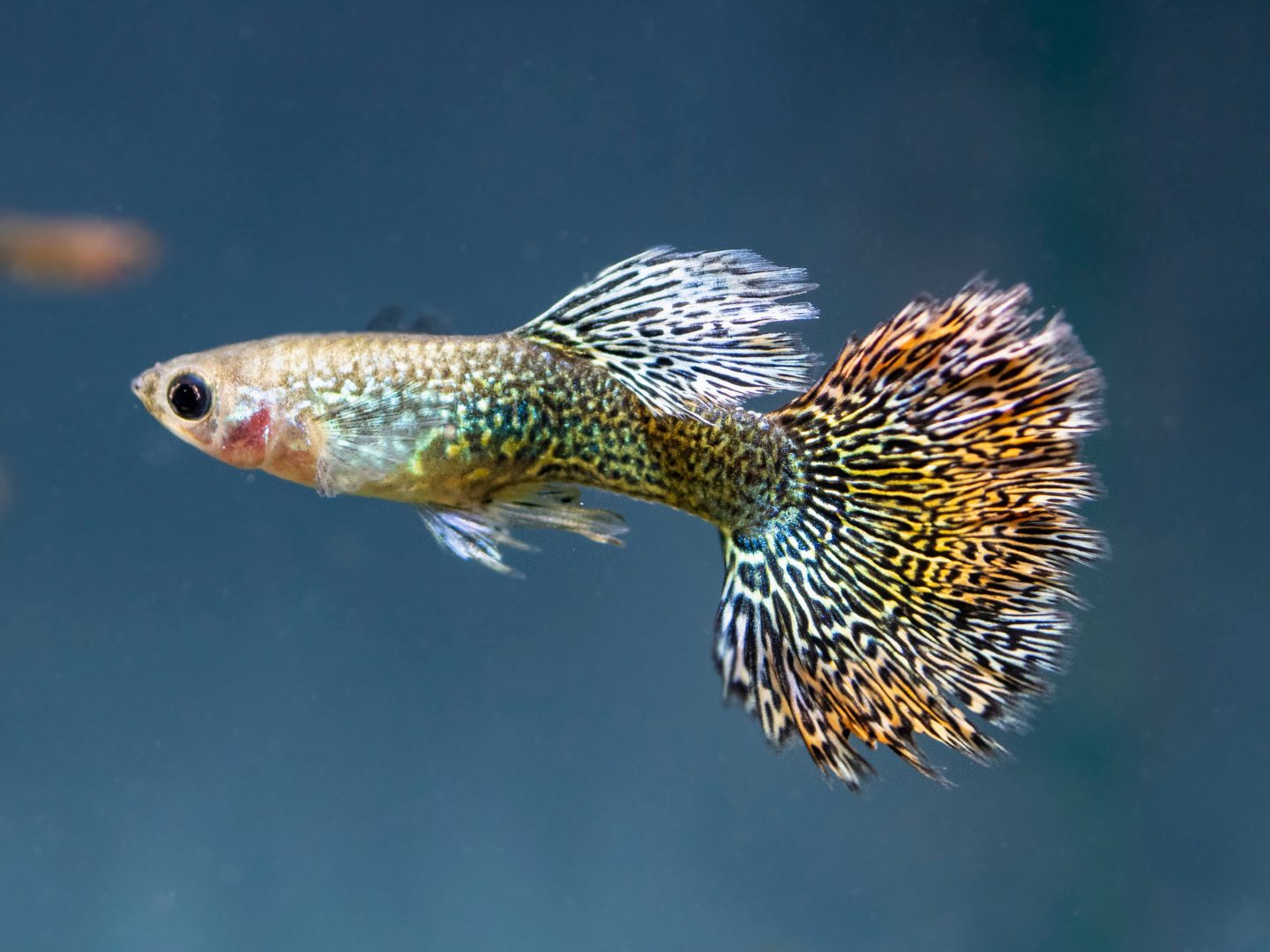
by Kyle Morrison, University of New South Wales In freshwater and marine ecosystems around the world, pesticides are silently shifting the ways in which fish socialise and interact. A recent study has analysed data from 37 experiments that tested the impacts of 31 different pesticides on 11 different fish species. [...]

Huge win for health and environment as UK agrees to align with EU pesticide standards in reset deal

2025-05-22T12:02:00+01:00May 22nd, 2025|

PAN UK is delighted with this week’s reset deal which commits the UK to following EU existing and future pesticide standards. While far from perfect, the EU’s pesticide standards are the strongest in the world in terms of protecting human health and the environment, and the UK played a seminal [...]

What is in play at the BRS COPs this year?

2025-04-25T12:28:58+01:00April 25th, 2025|

PAN UK will shortly join colleagues from PAN International in Geneva, Switzerland, for the Conferences of the Parties to the Basel, Rotterdam, and Stockholm Conventions – the ‘BRS COPS’ – where important decisions on a range of hazardous pesticides are on the table. The Stockholm Convention is focused on persistent [...]

The chocolate industry’s good and bad eggs revealed

2025-04-08T09:35:00+01:00April 8th, 2025|

The 6th edition of the Chocolate Scorecard has ranked Tony’s Chocolonely and Ritter Sport as among the most sustainable chocolate companies in the world. Run by Be Slavery Free, the scorecard ranks companies based on traceability and transparency across supply chains, whether they pay farmers a living income, efforts to [...]

Global study shows pesticides are a major contributor to the biodiversity crisis

2025-02-14T14:25:57+00:00February 14th, 2025|

Pesticides are causing overwhelming negative effects on hundreds of species of microorganisms, plants, insects, fish, birds and mammals that they are not intended to harm, and globally their use is a major contributor to the biodiversity crisis. That is the finding of the first study assessing the impacts of pesticides [...]

Garden birds are being poisoned by pet flea treatments

2025-01-27T12:21:37+00:00January 27th, 2025|

A study by the University of Sussex, published in Science of the Total Environment, has found that there is a high prevalence of veterinary drugs in bird nests. They analysed 103 blue and great tit nests sent in by volunteers on the Nesting Neighbour Scheme at the British Trust for [...]

Study finds that amphibians are harmed by glyphosate

2025-01-07T18:26:49+00:00January 7th, 2025|

By Aline Pompermaier & Marilia Hartmann, Laboratory of Ecology and Conservation, Federal University of Fronteira Sul Our recent study published by Scientific Reports has found that glyphosate-based pesticides significantly affect the early life stages of amphibians. Amphibians are experiencing a global population decline, with over a third of species threatened [...]

Cultivating coherent climate action

2024-11-18T15:41:34+00:00November 18th, 2024|

Climate change is the defining issue of our time. Food and agriculture play a major role. This week, the international community is convening in Baku, Azerbaijan, for the 29th Conference of the Parties (COP29) to the UN Framework Convention on Climate Change (UNFCCC). As extreme weather events threaten lives and economies [...]

These streets are ours…

2024-09-30T16:51:31+01:00October 2nd, 2024|

by Nick Tigg, Lewes Town Councillor Weeds spring up in unlikely places. They flourish in apparently unpromising soil, enthusiastically spreading through the fault lines under our feet. Which is also, coincidentally, how revolutions begin. And up on Lewes’s Nevill Estate in East Sussex, the smallest of revolutions is starting to [...]

Death by a thousand cuts

2024-09-20T19:42:56+01:00September 20th, 2024|

Calling on our new government to undo the damage done to UK pesticide standards As we prepare to head off to Labour Party Conference this weekend, our minds are focused on what actions need to be taken by the new government to reduce pesticide-related harms to both human health and [...]

Pollution including pesticides revealed as the greatest threat to healthy soils

2024-09-16T10:05:01+01:00September 16th, 2024|

by Dr Victoria Burton, Ecologist, Natural History Museum It is widely recognised that human activities are driving global declines in biodiversity through land-use change, climate change, and pollution, including pesticide use. Soil biodiversity - comprising organisms like earthworms, insects, and mites - is crucial for maintaining healthy soils and is [...]

Ban urban pesticides

2024-07-29T14:02:06+01:00July 28th, 2024|

Calling for the UK government to ban the use of pesticides in publicly run areas of our villages, towns and cities.  As part of the Pesticide Collaboration, PAN UK is supporting a new campaign calling on the UK government to ban the use of pesticides in places such as playgrounds, [...]

Proudly Pesticide-Free: Hope for the future

2024-05-01T16:36:34+01:00May 1st, 2024|

The third and final part of Atalo Belay’s reflections on ten years of tackling hazardous pesticide use on smallholder cotton farms in Southern Ethiopia Read the first part ‘The pioneers’ here. Read the second part ‘Hard work pays off’ here. Are we winning? We have now trained more than 8,500 [...]

Proudly Pesticide-Free: The hard work pays off

2024-05-01T16:35:44+01:00May 1st, 2024|

The second of Atalo Belay’s reflections on ten years of tackling hazardous pesticide use on smallholder cotton farms in Southern Ethiopia Read the first part ‘The pioneers’ here. A reason to believe It was difficult to get farmers to believe in the project at first. After years of using pesticides, [...]

Proudly Pesticide-Free: The pioneers

2024-05-01T16:34:21+01:00May 1st, 2024|

The first of Atalo Belay’s (PAN Ethiopia) reflections on ten years of tackling hazardous pesticide use on smallholder cotton farms in Southern Ethiopia The pesticide problem Ethiopia’s Southern Rift Valley was a cotton production area where large volumes of pesticides were being used by both commercial and smallholder cotton farmers. [...]

Go to Top