Pressure mounts on Sainsbury’s to end use of toxic herbicide banned in the UK

2026-07-01T23:48:09+01:00July 2nd, 2026|

A coalition of 25 health, farming, trade, human rights and environmental organisations from around the world, including Parkinson's UK, The Wildlife Trust, the Central American Institute of Research on Toxic Substances (IRET), Trade Justice Movement and the Landworkers’ Alliance have signed an open letter calling on Sainsbury's to ban paraquat. [...]

There’s a crisis brewing in the global coffee industry

2026-06-23T10:48:07+01:00June 23rd, 2026|

A new report reveals the widespread use of Highly Hazardous Pesticides (HHPs) in coffee-producing countries. These include chemicals linked to cancer, neurotoxicity, reproductive harm, endocrine disruption, and catastrophic biodiversity loss. Poison in Your Coffee brings together scientific literature, government data and field research across Brazil, Vietnam, Kenya, Colombia, and other major [...]

Why we are calling on Sainsbury’s to ban paraquat

2026-06-30T16:51:43+01:00June 17th, 2026|

Farmworkers around the world are being put at risk due to the use of paraquat, a highly toxic herbicide (weedkiller). We’re calling on the UK’s second largest supermarket, Sainsbury’s, to end the use of paraquat in its global supply chains.  Paraquat is responsible for poisoning thousands of farmworkers around the world. Repeated long-term exposure to [...]

Chocolate Scorecard 2026

2026-05-07T09:15:21+01:00May 7th, 2026|

This year, 49 chocolate companies and retailers took part in the 7th edition of the Chocolate Scorecard. Between them, they cover roughly nine out of every ten cocoa beans in the global supply chain. They were assessed on eight themes: traceability and transparency, living income, child and forced labour, deforestation, agroforestry [...]

Agroecological farming reduces pesticide poisoning among Ethiopian farmers by 73%

2025-12-15T16:39:57+00:00December 15th, 2025|

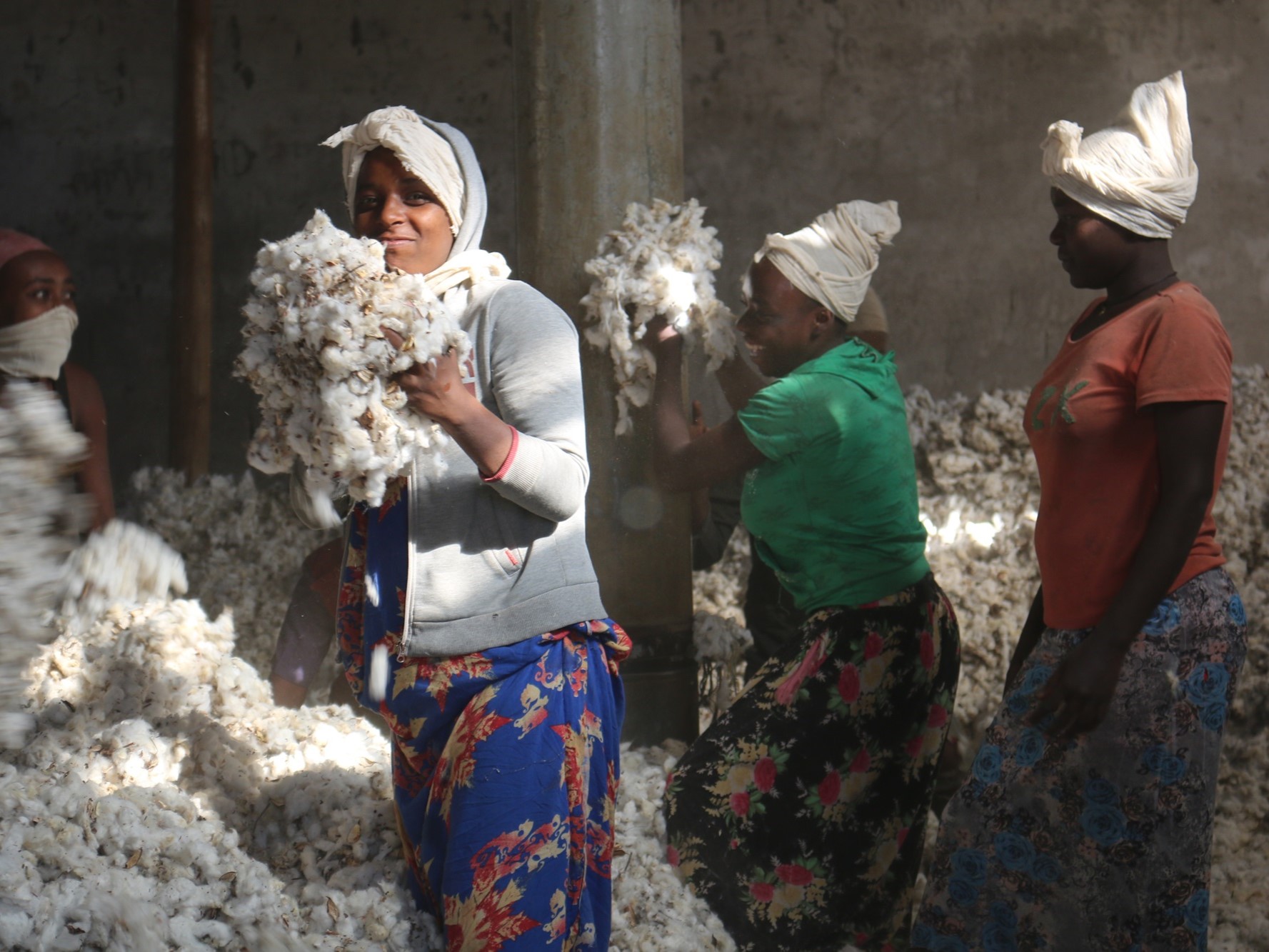
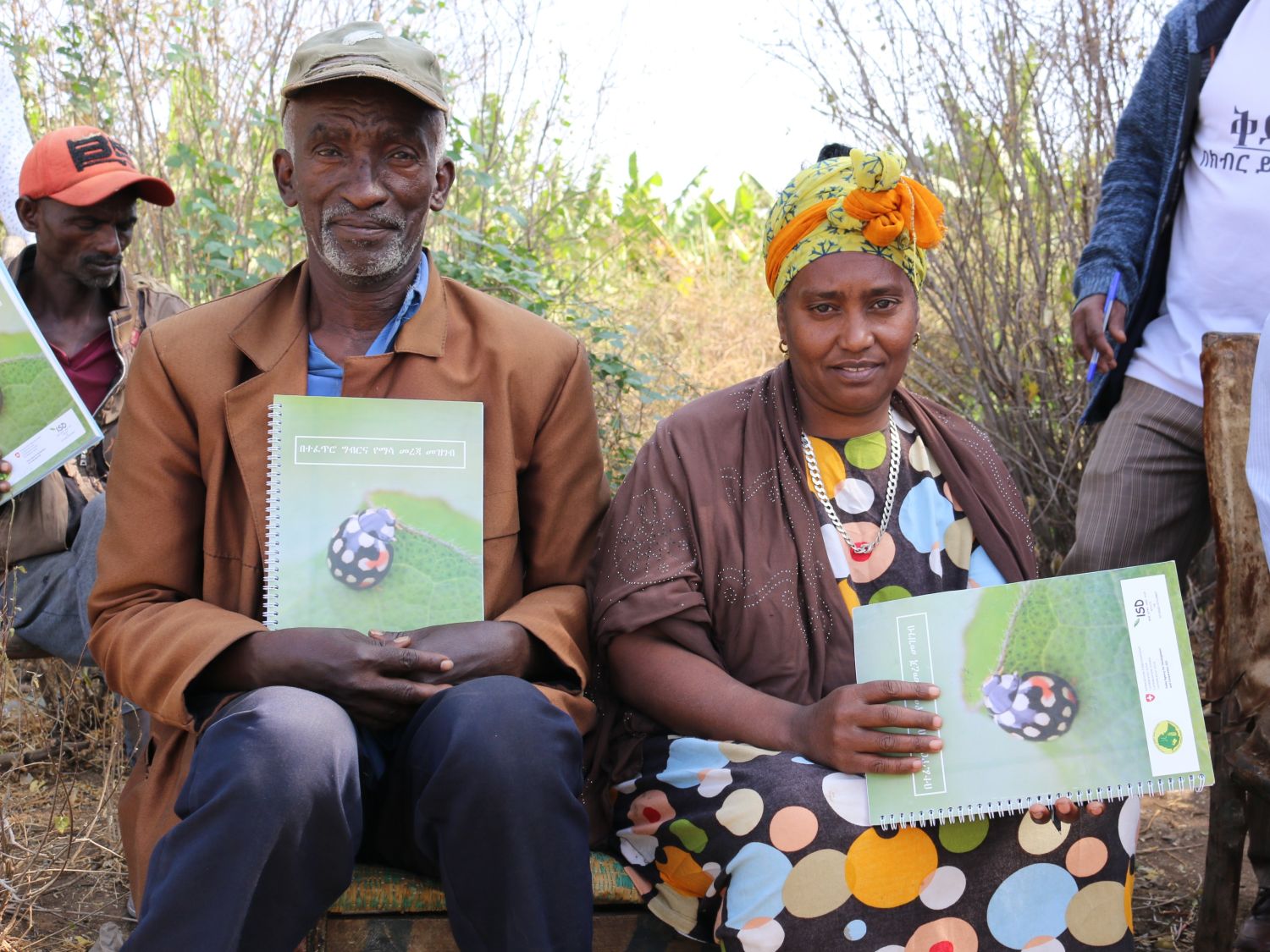
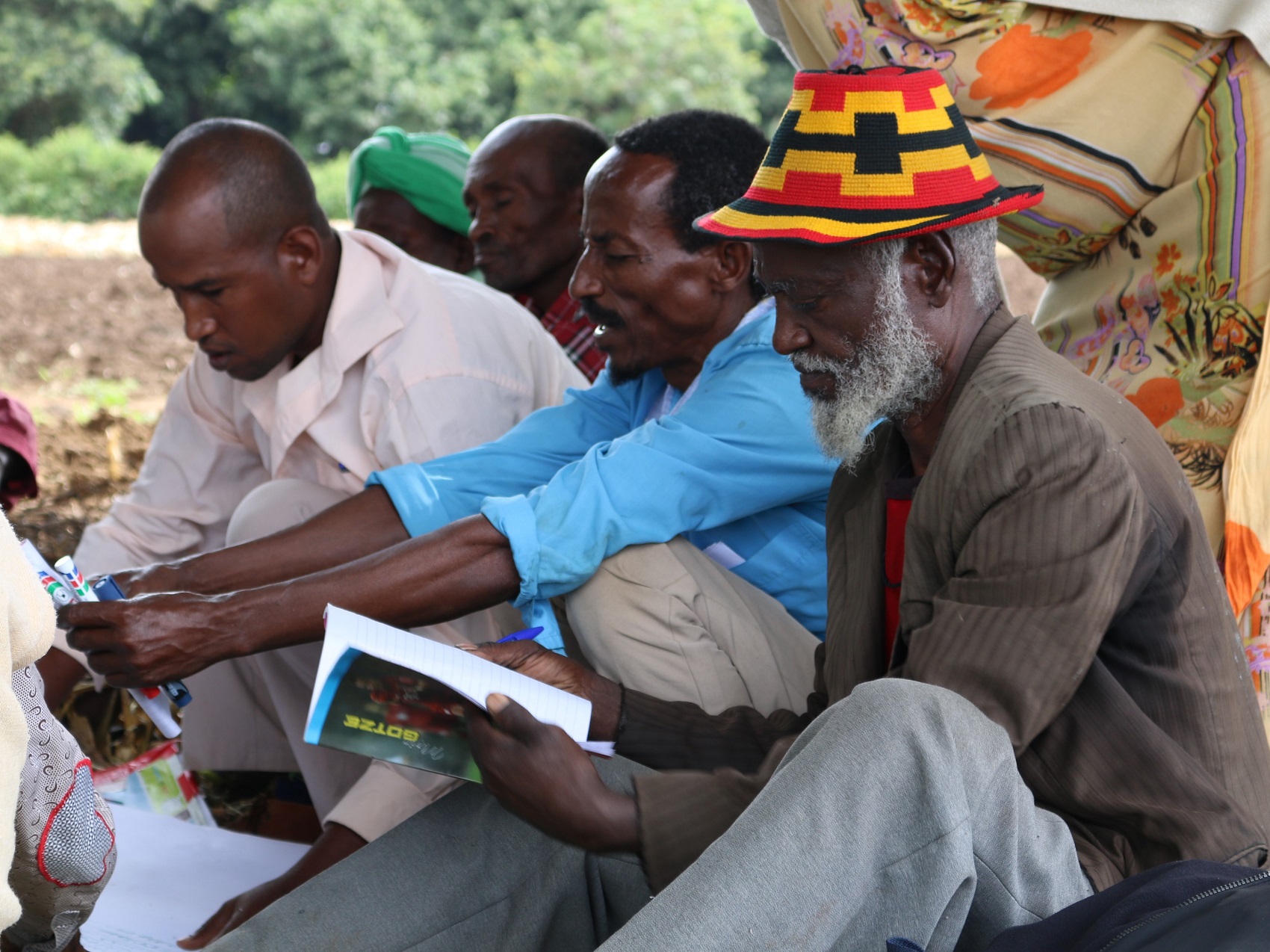
A new study published in Frontiers in Agronomy, has found that training farmers in agroecological practices helps to protect them from the harmful impacts of Highly Hazardous Pesticides (HHPs). It also increases their income. Over 700 vegetable farmers in Ethiopia’s Lake Ziway region took part in a programme to promote agroecology [...]

Unmasking Influence

2025-12-11T15:11:36+00:00December 11th, 2025|

Powerful commercial actors and the actions they take, affect us all, every day of our lives – many are undermining our health, our choices as individuals and the sustainability of the planet. They shape what we see, eat, and do. There is overwhelming evidence that the actions of many commercial [...]

No-till’s massive pesticide problem

2025-08-08T09:15:36+01:00August 7th, 2025|

For years, no-till farming (the practice of reducing tillage and ploughing to protect soil fertility) has been promoted as a climate-friendly, soil-saving solution. It is marketed as a pillar of “regenerative agriculture” by the agrochemical industry and supported by major food companies. But a new report from Friends of the [...]

Dorothy Myers (1936-2025): A founder of PAN UK

2025-07-16T11:29:00+01:00July 15th, 2025|

Written by Barbara Dinham, a long-time friend, colleague and former Director of PAN UK. Dorothy Myers, who died aged 88 in May 2025, was a pioneering environmentalist who played an influential role in pesticide policies over the last 40 years. She was a founder of Pesticide Action Network UK (established [...]

What is in play at the BRS COPs this year?

2025-04-25T12:28:58+01:00April 25th, 2025|

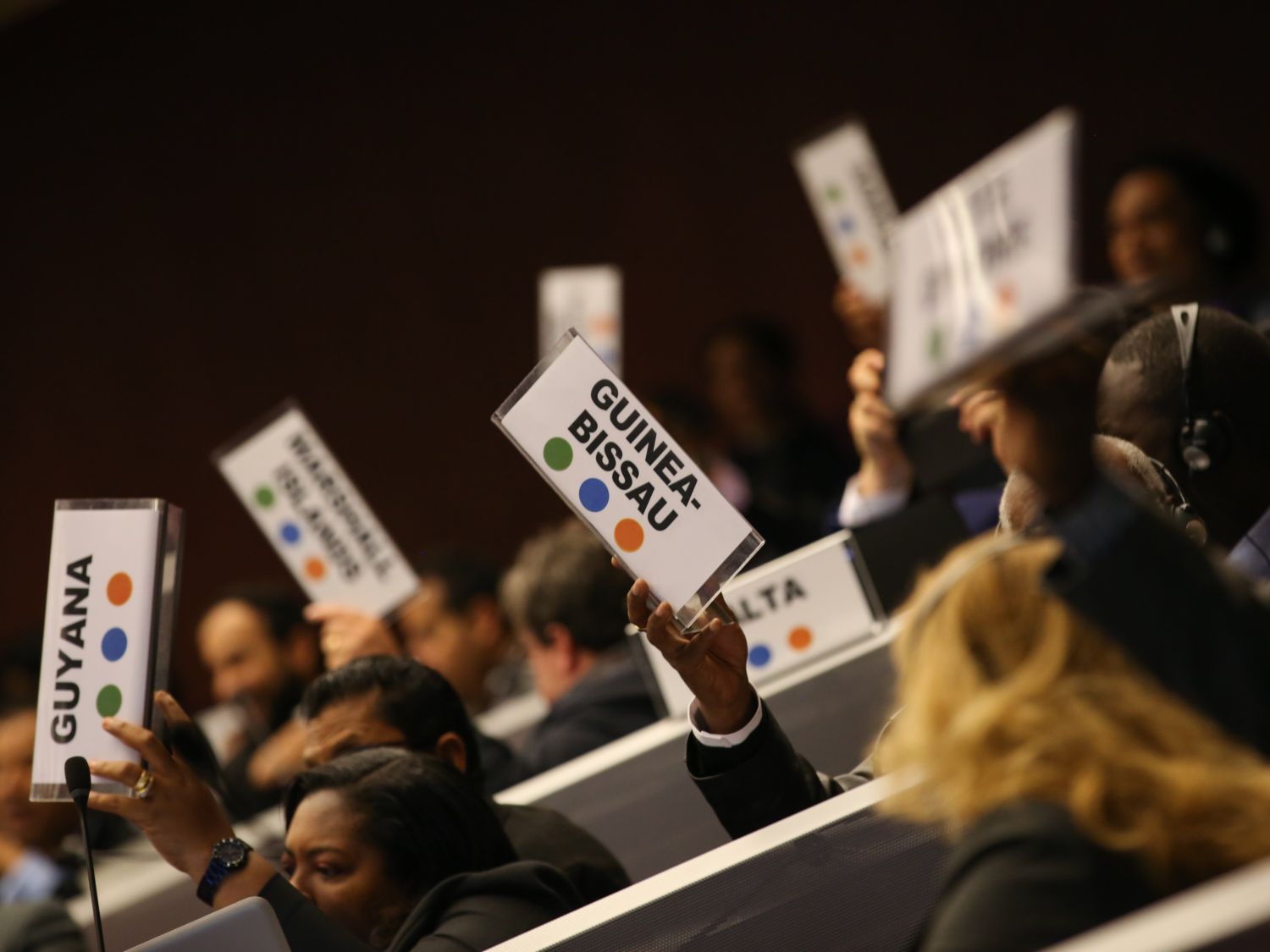
PAN UK will shortly join colleagues from PAN International in Geneva, Switzerland, for the Conferences of the Parties to the Basel, Rotterdam, and Stockholm Conventions – the ‘BRS COPS’ – where important decisions on a range of hazardous pesticides are on the table. The Stockholm Convention is focused on persistent [...]

The chocolate industry’s good and bad eggs revealed

2025-04-08T09:35:00+01:00April 8th, 2025|

The 6th edition of the Chocolate Scorecard has ranked Tony’s Chocolonely and Ritter Sport as among the most sustainable chocolate companies in the world. Run by Be Slavery Free, the scorecard ranks companies based on traceability and transparency across supply chains, whether they pay farmers a living income, efforts to [...]

A new era for organic cotton in Benin

2024-10-15T11:33:38+01:00October 7th, 2024|

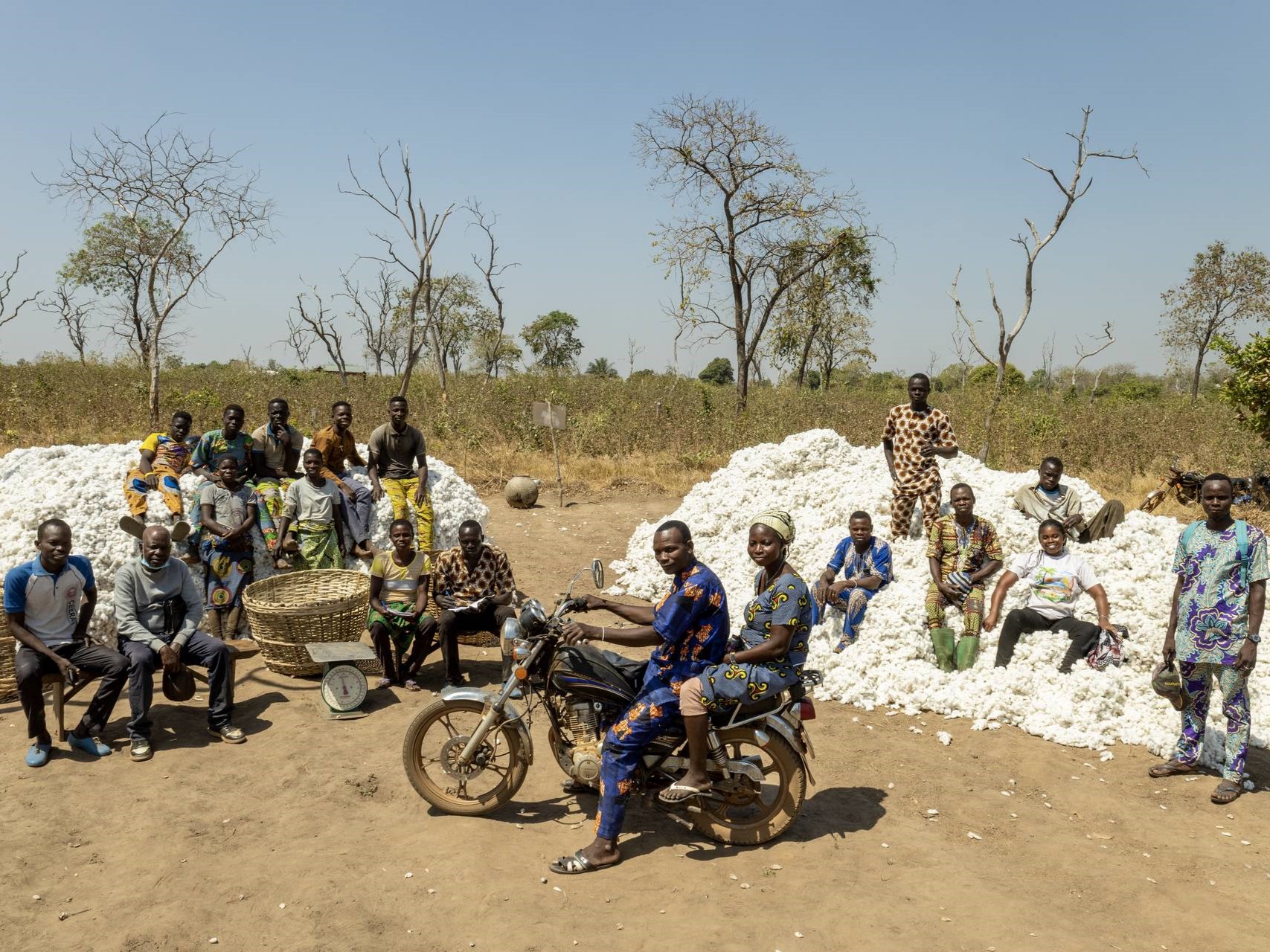
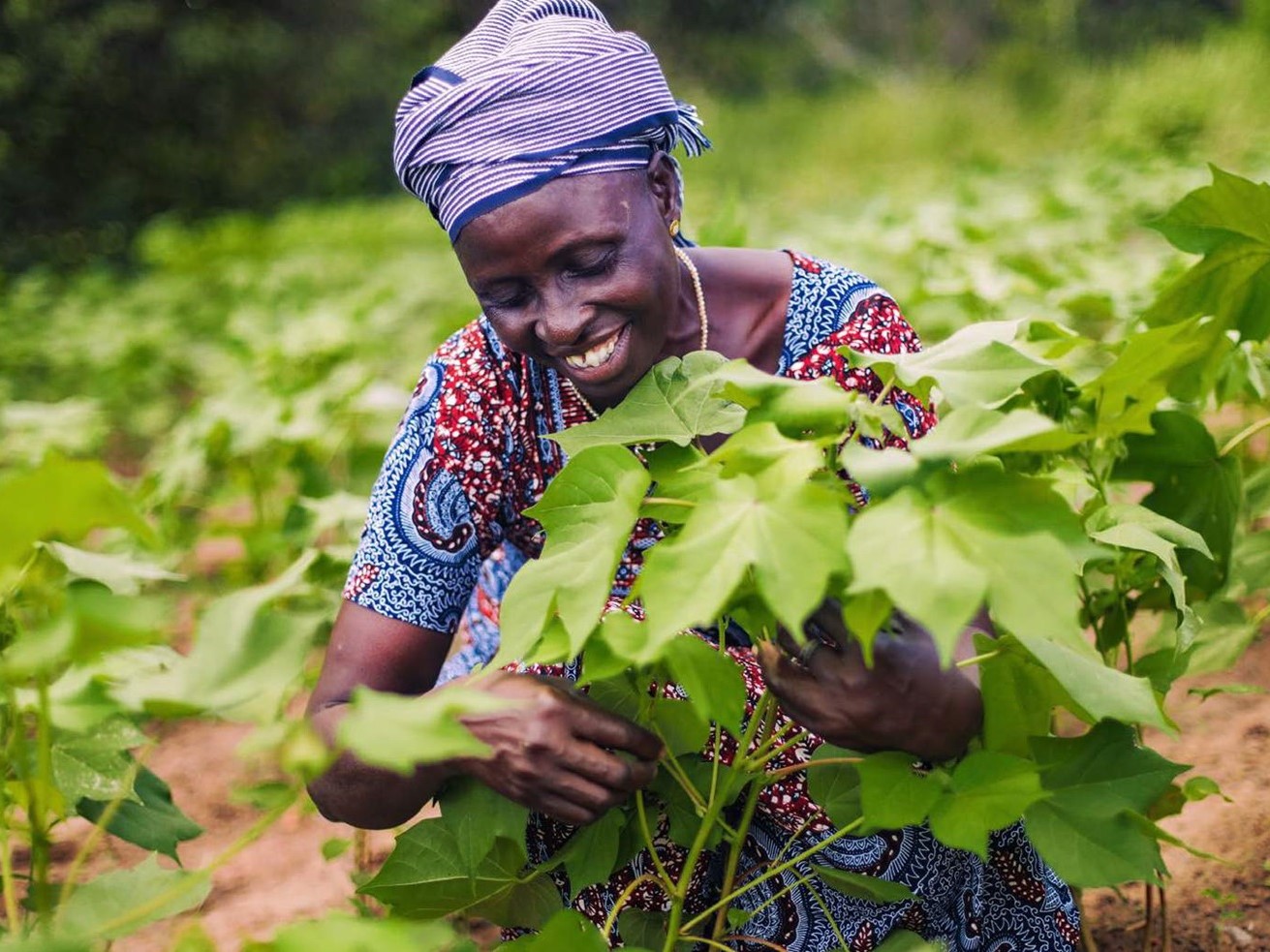
The need for sustainable farming has never been greater. This World Cotton Day we are celebrating the organic cotton farmers leading the way in Benin. A programme, supported by PAN UK and in collaboration with Organisation for the Promotion of Organic Agriculture in Benin (OBEPAB), is proving that organic cotton [...]

These streets are ours…

2024-09-30T16:51:31+01:00October 2nd, 2024|

by Nick Tigg, Lewes Town Councillor Weeds spring up in unlikely places. They flourish in apparently unpromising soil, enthusiastically spreading through the fault lines under our feet. Which is also, coincidentally, how revolutions begin. And up on Lewes’s Nevill Estate in East Sussex, the smallest of revolutions is starting to [...]

Proudly Pesticide-Free: Hope for the future

2024-05-01T16:36:34+01:00May 1st, 2024|

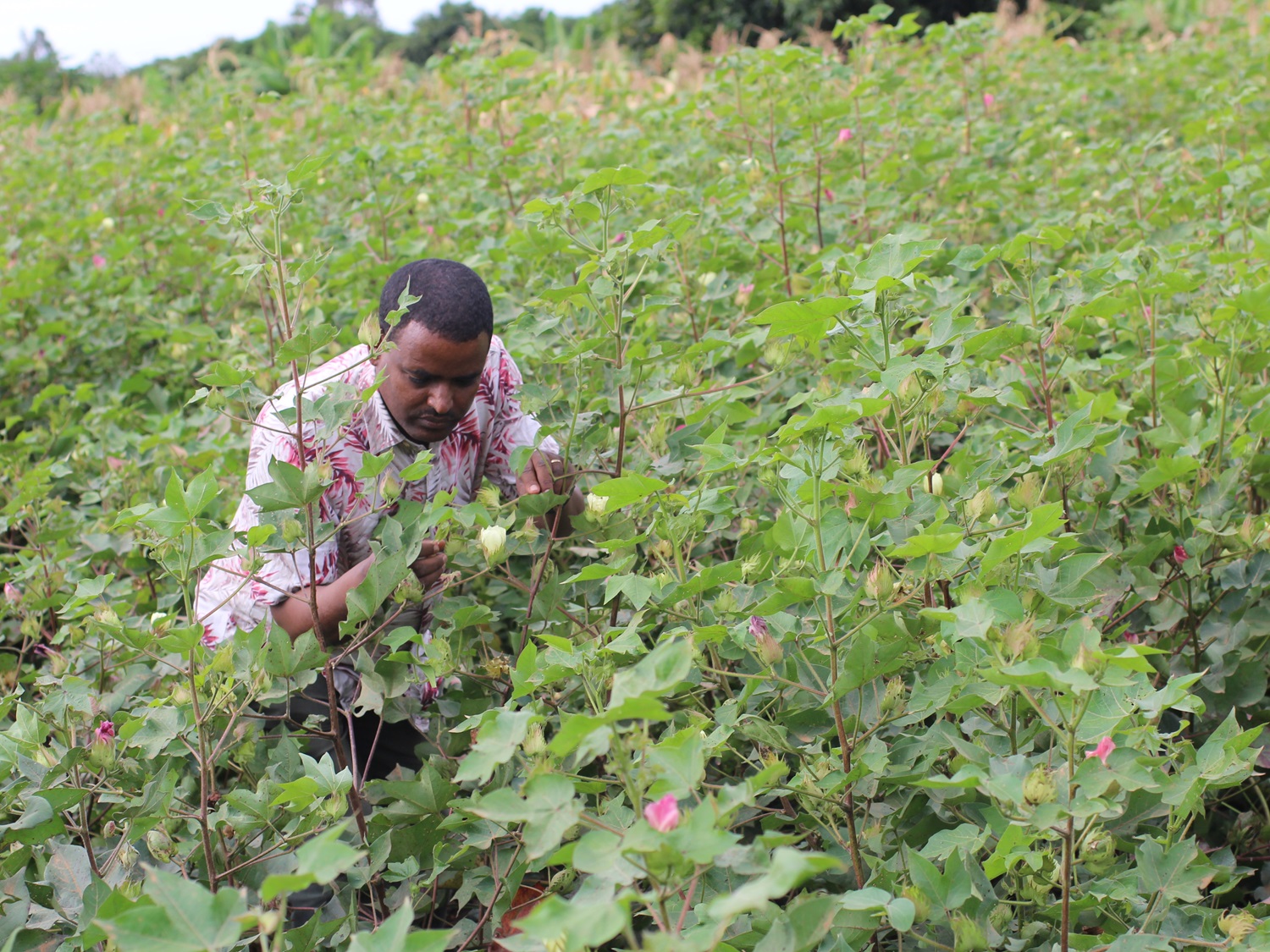
The third and final part of Atalo Belay’s reflections on ten years of tackling hazardous pesticide use on smallholder cotton farms in Southern Ethiopia Read the first part ‘The pioneers’ here. Read the second part ‘Hard work pays off’ here. Are we winning? We have now trained more than 8,500 [...]

Proudly Pesticide-Free: The hard work pays off

2024-05-01T16:35:44+01:00May 1st, 2024|

The second of Atalo Belay’s reflections on ten years of tackling hazardous pesticide use on smallholder cotton farms in Southern Ethiopia Read the first part ‘The pioneers’ here. A reason to believe It was difficult to get farmers to believe in the project at first. After years of using pesticides, [...]

Proudly Pesticide-Free: Part 1

2024-03-05T14:33:50+00:00March 12th, 2024|

This year we are celebrating 10 years since the start of farmer training in our joint project with PAN Ethiopia to get rid of Highly Hazardous Pesticides on cotton farms in Ethiopia’s Southern Rift Valley. We’re kicking off with a video from PAN Ethiopia’s Director, Dr Tadesse Amera, praising the [...]

Stories from the Ground

2024-03-05T09:08:05+00:00March 7th, 2024|

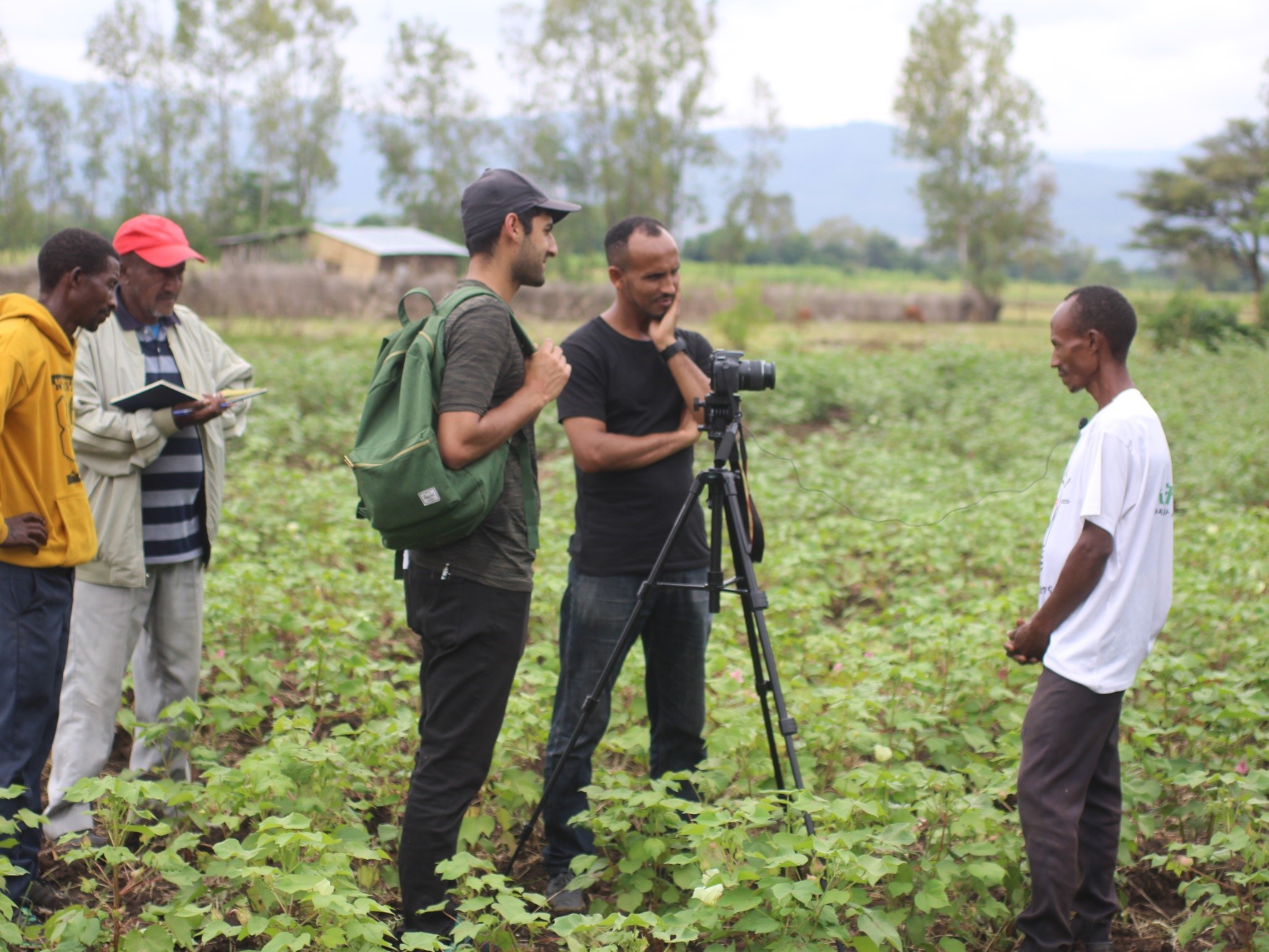
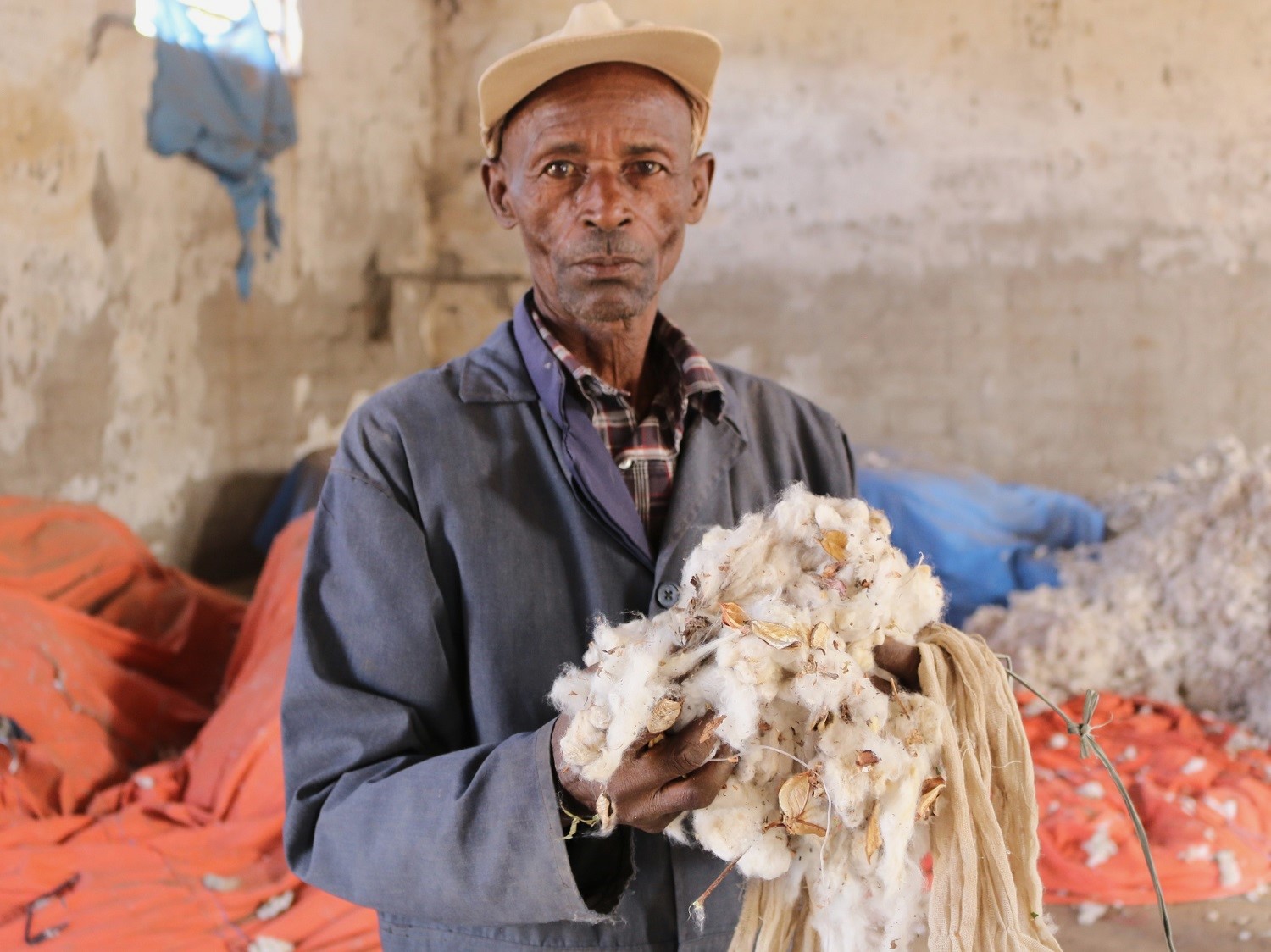
Cotton is the world’s most popular natural fibre, produced by over 24 million cotton growers in 75 countries. Whilst cotton farmers and workers are indispensable to the global fashion industry, they are largely excluded from conversations and stories around sustainability. To understand and transform the fashion and textile industry, we [...]

Are fashion retailers and brands supporting the sustainable cotton sector?

2023-06-13T08:33:42+01:00June 13th, 2023|

The 2023 Cotton Ranking of retailers and brands reveals that just nine of the major fashion companies are doing the bare minimum to improve sustainability in the cotton sector. Much of the cotton purchased by major companies does not even meet basic certification requirements. Of the 82 largest cotton-sourcing companies [...]

The climate emergency is devastating Ethiopian farmers

2023-05-24T10:19:08+01:00May 15th, 2023|

by Dr Stephanie Williamson, PAN UK Staff Scientist PAN Ethiopia teams meet up for week of training in Arba Minch. Credit PAN UK I recently had the privilege of visiting my hard-working, dedicated colleagues in Ethiopia to find out how our joint projects on growing cotton organically and [...]

Unprecedented support for the UK to drastically reduce pesticide use

2021-03-19T12:01:32+00:00March 5th, 2021|

by Sarah Haynes, Collaboration Coordinator, hosted by PAN UK Over the last few months, PAN UK and RSPB have mobilised 45 organisations and individual farmers and academics to respond collectively to the UK Government’s public consultation on the revised UK National Action Plan for the Sustainable Use of Pesticides [...]

Pandemic impacts on cotton farmers in Ethiopia

2021-03-19T12:07:12+00:00August 4th, 2020|

by Sheila Willis, Head of International Programmes, PAN UK According to an April 2020 forecast by the World Trade Organisation (WTO), ‘global trade volumes are expected to fall by between 13% and 32% in 2020 as the COVID-19 pandemic disrupts normal economic activity and life around the world.’ The [...]

Go to Top